





Getting A Deposit-Free Deal Without The Mess
You open Spinbet in Sydney, thumb already hovering over the promo area. This is where people rush and then complain later. Don’t rush. Treat the first offer like a test drive. You’re checking navigation, wallet clarity, and whether the platform behaves on mobile data.
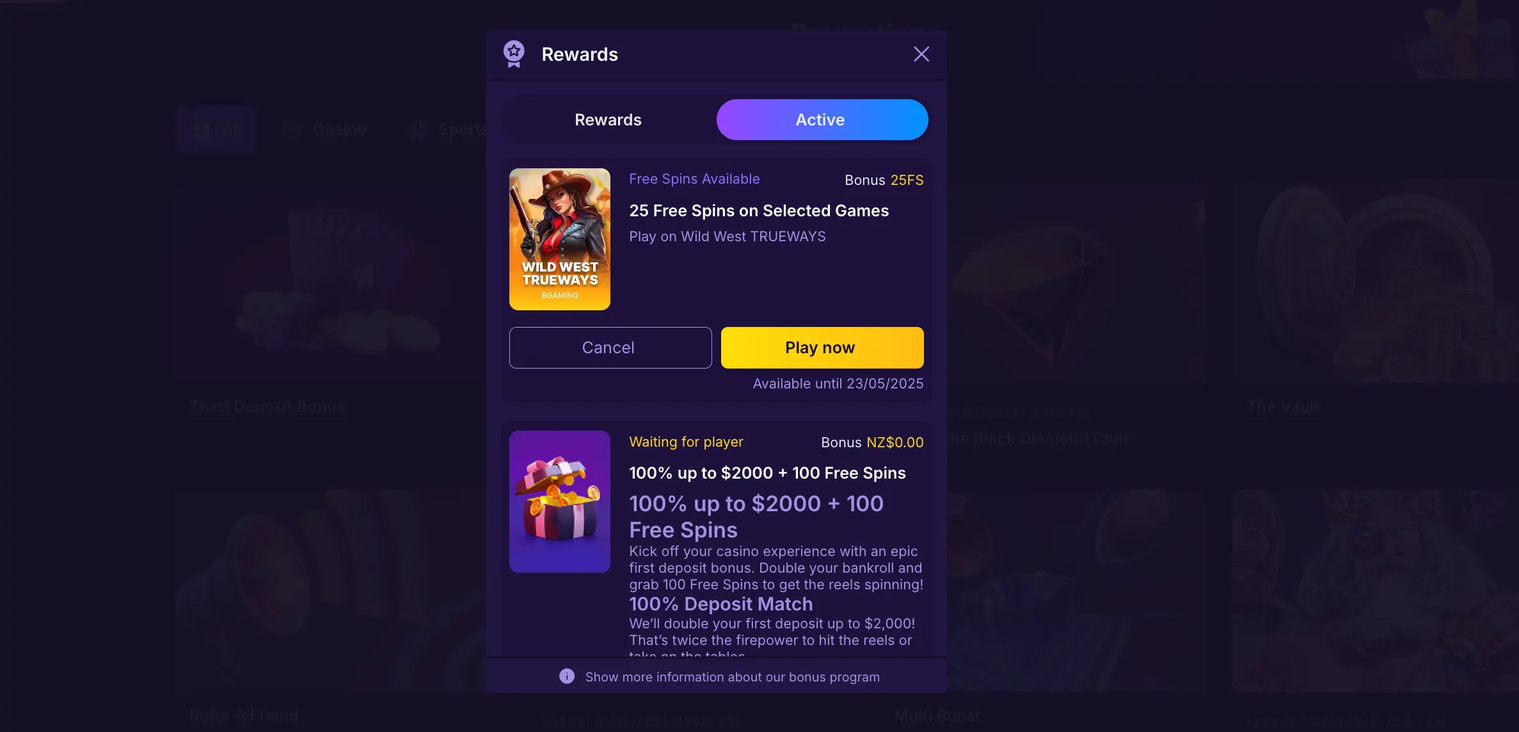
And the “free” part still has rules. Some deals give free rounds on one specific slot. Others drop a small promo balance that sits separate from your cash funds. That separation is normal. The mistake is assuming everything you see is instantly withdrawable.
Do this instead: claim, confirm, test small, then stop and review. Simple loop. It keeps your head clear and your account tidy.
Where The Offer Usually Shows Up
Suppose you’re in Brisbane during a quick break. You open the lobby and see a promo tile in your account area. Tap it, but don’t hit “activate” blindly. Open the details, scan for three things: expiry window, max stake, and eligible games.
If the offer looks tied to a single slot, accept that lane and use it. Don’t waste ten minutes trying to force it onto roulette or live tables. It won’t feel fun, it will feel like work.
And if you can’t see anything under promos, check your inbox section inside the account. Some deals appear as targeted messages. That’s normal marketing, not a glitch.
How To Confirm It Landed Before You Play
You activate something, then you go straight into a game. Stop. Five seconds. Open your wallet and look for a separate promo bucket, a spin counter, or a tracker bar.
Now do a tiny test: one small round on an eligible slot, exit the game, check the tracker again. If it moved, great. If it didn’t, you pause and re-check the terms before you keep betting. This is how you avoid burning time and blaming the wrong thing.
One more habit that saves headaches: screenshot the offer terms and the wallet screen right after activation. If you ever need support, you’ll have a timestamp and proof without arguing.
First Login In Australia: Keep It Clean
You register from Perth in two minutes, then you think you’re done. Not quite. Small profile errors create big payout delays later. Name spelling. Date of birth. Email access. Those details matter because support and verification flows rely on them.
So set up your account like you actually plan to use it. Use a strong password. Don’t reuse your email password. Ever. If you’re the type who forgets logins, use a password manager and let it handle the boring part.
Say you’re in Melbourne and you sign up while walking. Autocorrect “helps” you. That’s how people end up with a misspelled surname in their profile and a slow verification step later. Fix the profile details early, when you still have patience.
And do a quick sanity loop: log out once and log back in. If you can’t re-enter smoothly, you want to discover that now, not when you’re trying to cash out.

Deposits And Cashouts: Make The Money Flow Boring
Money screens should be boring. That’s the goal. If the cashier feels confusing, slow down on purpose. Mobile makes it easy to tap the wrong number or pick the wrong method with a fast thumb.
Suppose you’re in Sydney after dinner, tired, and you want to “just top up quickly.” Don’t. Eat, breathe, then deposit. Calm deposits are cleaner deposits.
Start with a small test amount. Confirm it appears in transaction history. Then stop and decide your budget for the week, not just the next ten minutes. If you can’t say your budget out loud, you’re not ready to fund the account.
Cashouts have stages too. A request can sit in processing while checks run and the payment provider settles. Pending doesn’t automatically mean trouble. It often means “in progress.”
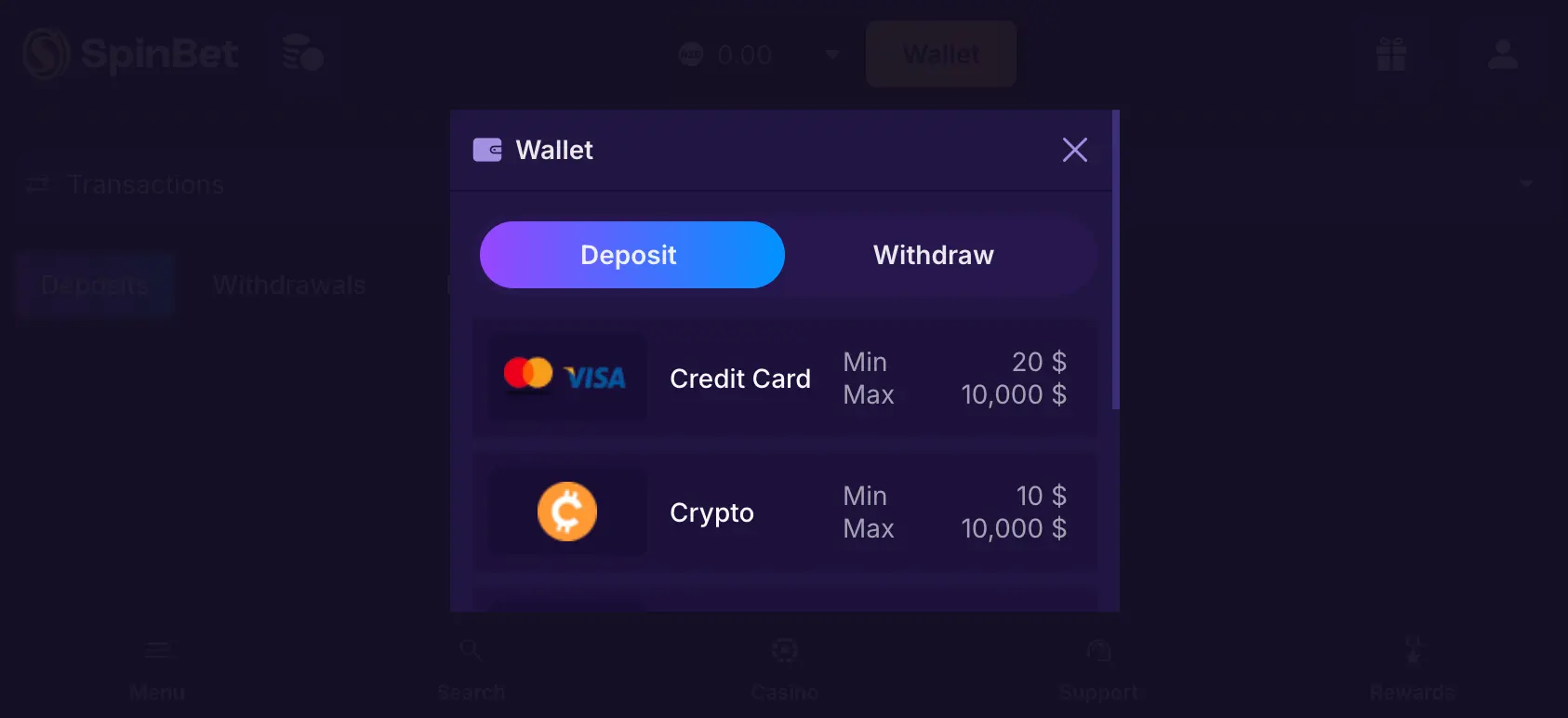
Here’s a practical snapshot of what players typically watch in a cashier flow:
Payment Route Type | Deposit Speed | Cashout Processing | What To Watch |
|---|---|---|---|
Bank Card | Often instant | 1-5 business days | Can return to source first |
Bank Transfer | Same or next day | 2-5 business days | Details must match exactly |
E-wallet | Immediate | 24-48 hours | Extra checks can happen |
Crypto Option | Fast confirmations | Same day to 48 hours | Network conditions vary |
Voucher/Prepaid | Immediate | Not for cashouts | Useful for budget control |
That table is a map, not a promise. The exact pace depends on checks, method rules, and your account status.
The Small-Test Deposit Routine
You’re in Brisbane, cashier open, finger over confirm. Pause and read the amount again. Then confirm once. After it lands, open history and make sure the record matches what you expected.
If you see a pending label, wait. Don’t “fix” pending with more deposits. That’s how messy nights start.
Also keep one main funding method if you can. Switching methods every session makes your history harder to read, and when history is hard to read you start guessing.
Why A Cashout Sits In Processing
You request a payout in Perth and it doesn’t arrive instantly. That can happen for simple reasons: verification not complete, bonus conditions still active, method settlement time, or a routine security review.
So you don’t panic. You check your profile details, confirm your verification status, and look at the status label in history. If it’s still in processing longer than you expected, you contact support once with facts: amount, time, method, and a screenshot of the status label.
Don’t submit the same request three times. One request is easier to process than a stack of duplicates.
What You Can Control To Reduce Delays
You can’t control provider settlement. You can control your own setup. Verify early. Keep your name consistent with your payment identity. Avoid switching payout methods right before a withdrawal. And don’t play through a promotion if you’re planning to cash out immediately after - check whether any promo balance is still active, then decide.
Suppose you changed phones in Sydney yesterday. Expect a security review. That’s not personal, it’s a pattern. The fix is patience and clean verification.
Choosing Games While A Promo Is Active
If you’re using a deposit-free offer, game choice matters more than people think. Not for “strategy,” but for clarity. Some games have small buttons on mobile. Some streams buffer on 4G. Some categories might not count the same way toward promo tracking.
Start simple. Use one slot for the first test. Then try a second, more feature-heavy slot to see if the interface stays readable. If you like live tables, watch one full round before betting. That’s your connection test.
And keep stakes low while you test. Mobile misclicks happen. Small stakes make mistakes cheap.
Slots Vs Live Tables On Mobile
Suppose you’re on the train in Melbourne, mobile data only. Slots are your friend. They load fast and tolerate shaky connections better. Live streams can look great, but one signal dip and you’re staring at a buffer wheel.
At home in Brisbane on stable Wi-Fi, live tables make more sense. Watch first, then place a small wager. If the timer feels rushed on your phone, pick a slower table or go back to slots. You’re not obligated to fight a layout that doesn’t fit your screen.
Responsible Play Tools That Actually Get Used
Mobile gambling feels casual. Too casual. Ten minutes here, ten minutes there, and suddenly you played an hour without noticing. That’s why limits matter more on phones than on desktops.
Set a deposit cap before your first real session. Set a time cap too, even if it’s just a phone timer. When it rings, you stop and decide again. That pause is where better decisions happen.
And don’t wait until you feel tilted. If you notice your mood changing - faster clicks, bigger stakes, that “one more” loop - use a break tool. Take a timeout. Walk away. You’re allowed to protect your budget.
Spinbet is available in Australia, so it’s on you to keep play within applicable rules and your own boundaries. Entertainment, not a plan.
Limits Before You Start
Suppose you set a weekly deposit cap on Monday in Sydney. Friday night arrives and you try to exceed it, and it blocks you. Good. That cap is doing the job you asked it to do when you were calm.
If you want to stay extra tidy, keep one main device for sensitive actions like deposits, withdrawals, and document uploads. Less confusion. Fewer “did I already do that?” moments.
Timeouts When The Mood Shifts
You’re in Perth, you lose a few rounds, and you feel the chase building. That’s your signal. Hit a timeout. Even a short cooldown can break the loop.
And don’t punish yourself for using it. It’s a tool. Like putting the phone down when you’re doom-scrolling. Same energy.
Reading Player Feedback Without Getting Played
People write reviews when they’re furious or ecstatic. That’s why review pages feel extreme. So read for patterns, not for drama.
Suppose you’re in Brisbane and you skim ten short comments. Look for repeated themes: payment clarity, cashout delays tied to verification, support response quality, and whether users mention confusing balance splits. Those patterns are more useful than someone shouting “scam” with no details.
Also check timing. A platform can change over time - payment rails, game providers, support workflows. Newer feedback often tells you more about the current experience than a rant from years ago.
And watch your own bias. If you want the platform to be good, you’ll ignore warnings. If you want it to be bad, you’ll latch onto one negative comment. Stay neutral. You’re testing, not marrying.
Support: Getting Help Fast When Something Sticks
Something will stick at some point. A game freezes. A tracker doesn’t move. A payment status looks stuck. The best response is calm and boring.
Suppose you’re in Darwin on mobile data and a slot loads forever. Close the game, return to the lobby, reopen it. If it repeats, clear cache, restart the app or browser, and switch networks if you can. Then check balance and history before you bet again.
If you contact support, keep it short. Device type, time, what happened, and what you tried. Add one screenshot. One message. Facts only. You’ll get a better answer faster because the agent doesn’t have to dig for basics.
And don’t spam chat. Spamming feels satisfying for ten seconds. It usually slows everything down.