





First Look: Lobby Flow And Navigation
You open the lobby and you feel it in ten seconds. Say you are in Sydney on a lunch break, phone at 18%, and you just want one clean session. If the categories are obvious and the tiles load without hiccups, you stay calm. If you get bounced around by banners and pop-ups, your mood goes first, then your bankroll.
I start with the boring route: browse, then search, then filters. Three quick checks. The goal is not to admire graphics, it is to see if you can find a game without scrolling like a zombie. And I watch what happens when I back out of a game. Does the lobby remember my place, or does it throw me back to the top again and again?
A tiny tip that saves time: pick a shortlist of three titles, open each once, then decide. If you start playing the first thing you see, you end up chasing the platform’s suggestions instead of your own plan.
Mobile Vs Desktop Speed Check
Suppose you are at home in Melbourne on a laptop, then you head out and switch to your phone. Some platforms handle that smoothly. Others create session weirdness, like forcing extra logins or reloading the lobby every time you swap devices.
If you notice that, do the simple fix: log out on one device before logging in on the other. Two taps. Less friction. And if your phone keeps autofilling an old password, clear that saved entry. Autocomplete is helpful until it becomes a prank.
Search And Filters That Save You
Say you want a specific provider or game style. You type three letters. You expect results that match, not random noise. If the search feels fuzzy, use categories instead and avoid wasting your break on a scrolling marathon.
Filters should also behave. Pick a category, narrow it down, and make sure the list stays narrowed when you open a game and return. If it resets, it is not the end of the world, but it is a clue about usability.
Account Setup And Personal Limits
You can create an account in a minute, then spend an hour fixing one typo later. Choose the first option. Suppose you are in Brisbane, tired after work, and you are rushing. That is exactly when you should slow down.
Use your real details. Keep the formatting consistent with your documents. Same spelling, same order, same phone number you actually control. That consistency matters when you move money, because identity checks rely on matching fields, not vibes.
Then set limits before the first deposit. Deposit cap, time reminder, loss limit if offered. This sounds like a lecture. It is a practical tool. Your brain is calm at the start of a session, then it changes. Limits are there for the moment your mood flips.
Verification Early, Not At 2 A.M.
Say you hit a win on your first night and you want to cash out right away. Suddenly you are asked for documents when your room is dark and your hands are shaky. Bad combo.
Do verification in daylight. Stand near a window, take a clear photo, avoid glare, and keep the whole document in frame. If a selfie is requested, keep it plain. No filters, no hats, no weird angles. If you get rejected, change the lighting and try again once, not ten times.
Games: Slots, Tables, And Live Studio Vibes
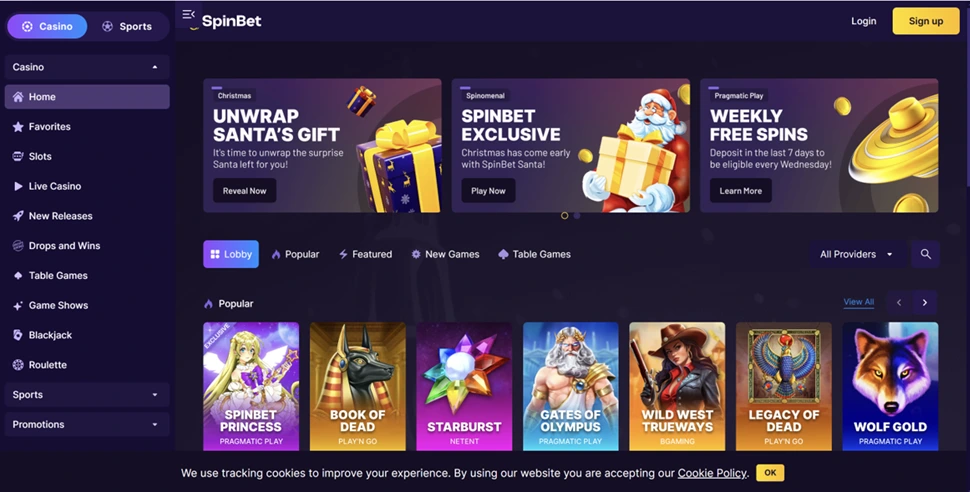
The catalog is where you either enjoy yourself or you drift. Suppose you are in Perth waiting for takeaway, ten minutes to spare. You want quick-loading slots, simple stake controls, and no random reloads.
Slots are the default for most players because they tolerate shaky connections better than live streams. Start low, test the spin speed, and watch how the game behaves when a feature triggers. If you see lag when you change stake, you will feel it more later.
Table games are for slower thinking. Blackjack, roulette, the classic stuff. The key here is limits and pacing. Some tables feel rushed, others feel sleepy. Pick the tempo that matches your brain, not your ego.
Live studios add atmosphere. A dealer, a timer, and a stream that needs stable internet. If you are on mobile data in a moving train, save live sessions for later and keep it simple with slots.
Slot Sessions For Short Breaks
Say you are in Adelaide on a coffee run. You open one slot, set a small stake, and run 20 spins. That is a full micro-session. If it feels smooth, you can extend. If it feels sticky or laggy, close it and pick another title.
And set a timer. Seriously. Ten minutes turns into forty when you chase a feature. A timer breaks the trance, and it is the cheapest self-control tool you will ever use.
Live Dealer Rooms And Timing
Suppose you are at home in Canberra on solid Wi-Fi. Open a live roulette table and watch the stream for a full minute before betting. Check if chip placement feels delayed. If it does, you will feel rushed and start making sloppy decisions.
Also check table minimums early. Some rooms look casual but start higher than you expect. Back out if it is not your lane. No shame. The goal is entertainment, not proving something.
Table Games Without Overthinking
Say you want blackjack. You sit down, you see the minimum stake, and you play a few hands. Keep it slow. If you start doubling out of frustration, that is a sign to stop and switch activities.
A small ritual helps: decide your session budget before you open the table, then treat it as a hard wall. When the wall is hit, you leave. You do not bargain with yourself.
Bonuses And Promotions: Know The Finish Line
Promotions can add value. They can also add rules. Suppose you are in Sydney and you want a clean cashout later tonight. In that case, playing with your own funds and skipping offers can be the calm option.
Think in modes. Mode one is clean funds, easier exit. Mode two is promo active, longer session, conditions accepted. Mixing modes mid-session is where confusion starts and where people claim they were “blocked” when it was really a rule they clicked through.
Before you opt in, read three things: playthrough requirement, max stake while conditions are active, and which games count fully. If any of those pieces are unclear, do not opt in while you are excited. Close the banner, play normally, and revisit later when your head is clear.
Bonus Mode Vs Cash Mode
Suppose you accept an offer and your wallet looks split. One part may be cash, one part may be promotional credit. Your brain sees one pile. The system does not. That split can affect what you can withdraw right now.
If you want a quick exit, stay in cash mode and skip offers. If you want a longer run and you accept the conditions, promo mode can be fine. Just treat the extra funds as session fuel, not as guaranteed money.
Caps, Contributions, And Expiry
Say you raise your stake “just for a few spins.” Some offers have max stake caps. Break the cap and you can lose eligibility or slow progress. That is where anger starts.
Game contribution matters too. Slots often count fully, some table games count less. If you do not want to track that, skip offers and keep your life simple. Also check expiry time. If you cannot finish comfortably, do not start.
Payments And Cashouts: A Calm Routine
Money moves are where people get tense. Suppose you are in Melbourne on a Friday night, you finish a session, and you want to withdraw before you sleep. The safest approach is not heroic. It is controlled.
First, keep your profile stable. Do not change your phone number, address, and device in one day and then request a payout. That pattern invites extra checks. Extra checks are not personal, they are process.
Second, use one payment route for a while. Constant switching makes timing less predictable and can create more questions. Pick one route you trust, run a few cycles, then change if you have a real reason.
Third, do a small test withdrawal early in your “relationship” with the platform. A tiny request shows you the status stages and the pacing without turning the whole evening into a stress festival.
Route Type | Deposit Speed | Review Window | Transfer Window | Best Use |
|---|---|---|---|---|
Instant bank option | Seconds to minutes | Minutes to hours | Same day to 1-2 days | Quick test cycles |
Card payout path | Immediate | Hours to 1 day | 1-3 days | Familiar routine |
E-wallet transfer | Immediate | Minutes to hours | Same day to 24h | Budget separation |
Bank transfer | 1-3 days | Hours to 2 days | 1-3 days | Planned bankroll moves |
The Small Withdrawal Test
Say you are cautious. Good. You request a small payout, you screenshot the status screen, and you note the time in AEST. Then you wait. If the stages move and any prompts are clear, you have your baseline.
If it sits in review longer than you expected, do a quick self-audit: did you edit your profile, did you log in from a new device, did you accept a promo with conditions? Those are common triggers. If none apply, message support with facts, not heat.
Common Delay Triggers You Can Avoid
Suppose you requested a payout and then immediately changed your email because you “felt like it.” That can slow things down. Make account edits on quiet days, not during money moves.
Weekend bank windows can also stretch timelines. Plan for that. If you need money fast, do not submit requests at the worst possible time and then blame the platform for the calendar.
Rejections And Tiny Leftovers
Say your request gets rejected. Often it is a minimum threshold issue, a method detail mismatch, or a withdrawable amount lower than your total because of an active offer.
Try a smaller amount once. If it repeats, stop spamming requests. Ask support what exact rule blocked it. Also accept that tiny leftovers sometimes sit because they are under the minimum for the route you chose. Treat it as change, not as a conspiracy.
Mobile Habits That Keep Sessions Smooth
Mobile play is where most mistakes happen. Mis-taps. Autofill chaos. Battery saver throttling. Suppose you are on a train in Sydney and your signal bounces - that is not the time to add a new payment method.
Use mobile for quick play, and use stable Wi-Fi for cashouts if you can. Close background apps before you start. If the page keeps reloading, clear cache and restart the browser.
Also watch your saved passwords. If your phone keeps entering an old one, you get locked out after repeated attempts. That lockout feels dramatic. It is just security doing its job.
Public Wi-Fi And Money Moves
Say you are at an airport on open Wi-Fi and you want to request a payout. You can check status, sure. But for sensitive actions, your own mobile data is often the calmer choice. Fewer captive portals, fewer strange reloads, fewer security prompts.
If you must use public Wi-Fi, avoid big changes: no profile edits, no new routes, no large requests. Keep it light.
Support And Fixes Before You Panic
Support is the safety net. You do not need it until you do. Suppose a game freezes after a spin and your balance looks odd. The worst move is to write a long rant. The best move is to collect details.
Take a screenshot. Note the game title. Note the time. Then message support with those facts. Short message, fast action.
I also test support once when nothing is wrong. Ask about a limit or a processing stage. A fast reply is nice, but a relevant reply is the real prize.
How To Write A Ticket That Works
Say your payout status has not moved. Write: request time in AEST, amount, route type, exact status text, and whether you made any account edits recently. Include one screenshot. Then stop.
Agents can work with facts. They cannot work with “this feels wrong.” Give them a handle.
Fixes You Can Try First
Suppose the cashier button does nothing. Refresh once. Reopen the tab. Try another browser. On mobile, switch from Wi-Fi to data or the other way around. If a game will not load, disable aggressive ad blockers for that session. If login loops happen, clear old autofill entries and use a password manager copy-paste.
Do not try twenty random fixes. Try three clean ones, then contact support with what you tried.
Reading Player Feedback Without Getting Spooked
People write reviews when emotions are high. You win, you feel invincible. You lose, you feel betrayed. Suppose you are in Perth and you read a one-star post claiming “stolen funds” with no timeline, no method, no details. Treat it as noise until you see patterns.
Patterns are what matter. Repeated complaints about the same stage, the same route type, the same kind of support response. And repeated praise for the same strengths, like smooth mobile play or clear status updates.
A simple approach: read five comments, then do your own tiny test cycle. Small deposit, short play, small payout request later. Your own loop is the most honest data you will get.
Spotting Patterns Across Comments
Say you see a cluster of complaints about delays right after profile edits. That is a pattern with a cause. Keep your profile stable.
Say you see many comments about promo confusion. That is also a pattern. Read the finish line before you opt in. Most “blocked” stories start there.